Restaurant QR Codes in 2026: Beyond the Digital Menu to High-Conversion Hospitality
Introduction: The Post-Pandemic Pivot
In the early 2020s, the restaurant QR code was a survival tool—a way to avoid touching physical menus during a global health crisis. However, as we move through 2026, the "digital menu" has evolved from a static PDF into a sophisticated hospitality engine. Today, savvy restaurateurs in hubs from Austin to Tokyo are using custom QR codes to drive loyalty, manage real-time inventory, and enhance the "table-side" experience.
For a restaurant owner, a QR code isn't just a link; it’s the primary interface between their physical dining room and their digital POS (Point of Sale) system. As a developer with decades of experience in high-uptime information systems, I’ve seen how a single broken or "ugly" link can disrupt the flow of a busy Friday night service. This guide explores how to move beyond the basic scan and turn your tables into high-conversion touchpoints.
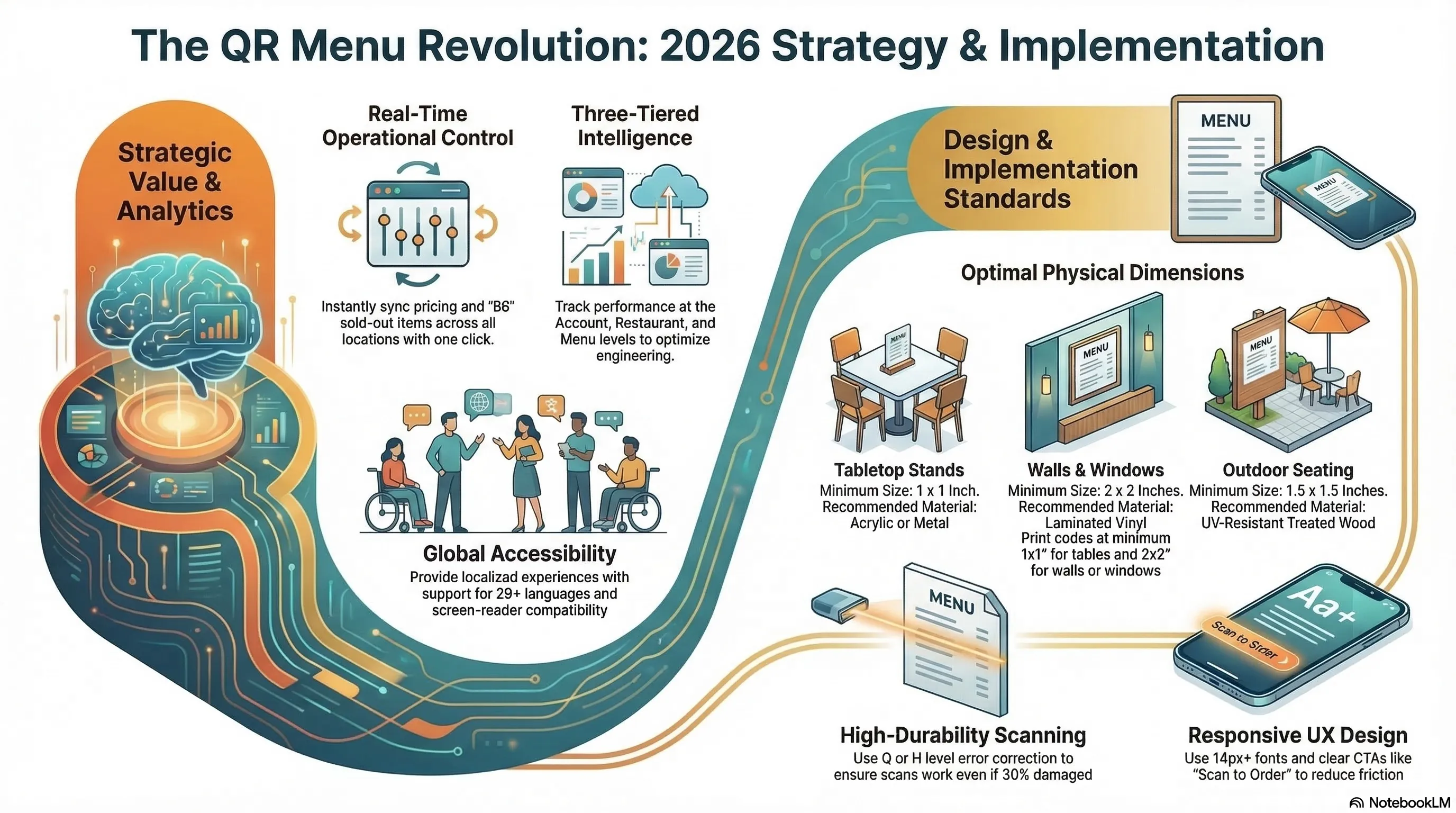
The Death of the "Dead-End" PDF
The biggest mistake a restaurant can make in 2026 is linking a QR code to a static PDF file. PDFs are difficult to read on mobile devices, require zooming, and—most importantly—they are "dead ends" for data.
- The Dynamic Alternative: Modern QR codes should point to responsive web menus. This allows for "Live Inventory" updates (automatically hiding an 86’d item) and dynamic pricing for Happy Hour or seasonal specials.
- The "Zero-Click" Experience: By using high-speed, local browser-based generation, you ensure that the moment a guest scans, the menu is rendered instantly. In the fast-paced world of hospitality, a three-second lag in loading a menu can lead to a 20% drop in initial drink orders.
Design and "Table-Top" Aesthetics
In a fine-dining or high-end bistro environment, a stark black-and-white QR code on a plastic stand feels out of place. It breaks the "vibe" of a carefully curated interior.
- Using Halftone for Elegance: Our Halftone effect allows a restaurant to blend the QR code into a photo of their signature dish or a textured background that matches the table's wood grain or linen.
- Branded Center-Icons: Placing the restaurant's logo in the center of the code (using Level H Error Correction) provides an immediate "Trust Signal." A guest is much more likely to scan a code that clearly belongs to the establishment than a generic, mystery square.
Advanced Use Cases: 2026 Hospitality Trends
- Direct-to-Chef Communication: Some high-end sushi bars now use "Seat-Specific" QR codes. When scanned, the chef knows exactly which seat is asking for another round of Omakase, reducing the need for servers to constantly hover.
- Instant Feedback Loops: Instead of a "Rate us on Yelp" sign at the door, smart managers place a subtle, artistic QR code on the check presenter. Scanning it opens a 15-second "Express Survey" that alerts the manager in real-time if a guest had a poor experience, allowing for "Service Recovery" before the guest even leaves the building.
- The "Virtual Wine Cellar": For restaurants with extensive wine lists, a QR code can lead to a "Virtual Sommelier" experience, featuring video clips of winemakers or detailed tasting notes that wouldn't fit on a physical page.
- Loyalty without the App: Consumers are suffering from "App Fatigue." By using a QR code that leads to a mobile-wallet pass or a simple web-based loyalty tracker, restaurants can capture customer data and reward "Regulars" without forcing a 100MB download.
Technical Reliability: The "Friday Night" Stress Test
If your QR code fails during a rush, your staff bears the brunt of the frustration. Here are the technical "must-haves" for any restaurant implementation:
- High Contrast: While artistic styles are great, never sacrifice contrast. In a dimly lit bar, a "Low Contrast" code will fail. We recommend dark charcoal dots on a cream or off-white background to maintain the "Vibe" while ensuring 100% readability.
- Lamination and Wear: QR codes on tables are subject to spills and cleaning chemicals. Always use high-quality, matte lamination. Glossy lamination can cause "Light Bounce" (glare) from overhead restaurant lights, which prevents the camera from locking onto the code.
- The "Short URL" Advantage: For restaurant menus, use a short URL. The less data encoded in the QR code, the larger and "simpler" the dots will be. Simple dots scan significantly faster in low-light environments.
Conclusion: Hospitality is Digital
The QR code is no longer a temporary fix; it is a permanent fixture of modern dining. By treating your QR code as a piece of "Digital Decor"—rather than just a technical necessity—you can increase guest engagement, streamline your operations, and provide a seamless transition from the physical menu to the digital checkout.
Create Custom, Branded QR Codes for Your Restaurant Menu at Linksqrcode.com