Sustainable Printing with QR Codes: The Digital-First Paradigm
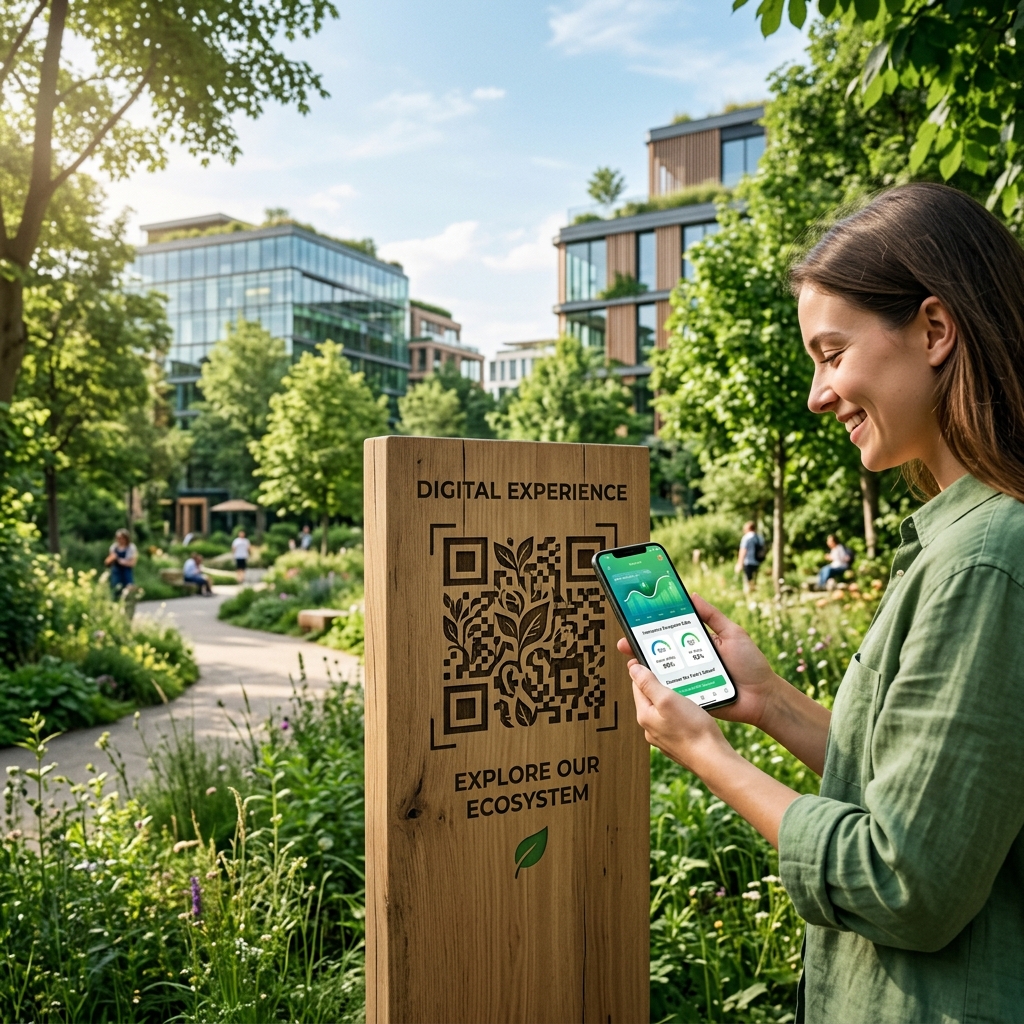
The printing industry has long been one of the world's most resource-intensive sectors. From the massive consumption of paper and water to the use of chemical inks and the carbon cost of distribution, traditional physical media carries a heavy environmental price tag. In 2026, the tide is turning. Businesses are realizing that they can maintain a physical presence while embracing a digital-first communication strategy. The key to this transition? The QR code—the ultimate bridge between tangible marketing and sustainable data delivery.
The "One-Time Print" Strategy
The most significant driver of paper waste is the "update cycle." Every time a menu price changes, a product feature is added, or an event schedule is adjusted, thousands of pieces of paper are discarded and reprinted.
In 2026, forward-thinking businesses use the Dynamic One-Time Print approach. They print a single, high-quality, durable sign or menu featuring a Dynamic QR Code. When information needs to change, they simply update the back-end URL. The physical print remains in place for years, while the digital content stays fresh and relevant. This Lifecycle Sustainability model has allowed some restaurant chains to reduce their annual paper waste by over 90%. At linksqrcode.com, our Eco-Friendly QR Management tools are designed to help businesses manage these permanent digital portals with ease.
Replacing the 20-Page Brochure
Traditional marketing brochures are often dense, expensive, and rarely read in their entirety. In 2026, the 20-page booklet has been replaced by a single, beautifully designed Smart Postcard.
Instead of overwhelming the customer with a wall of text, the postcard features a compelling visual and a Curated Content QR. A scan leads to an immersive, mobile-optimized experience where the customer can watch videos, download specific data sheets, and even interact with a 3D model of the product. This Just-in-Time Information delivery ensures that the customer only consumes the data they actually need, while the business saves thousands in printing and shipping costs.
Sustainability Tip: The "Digital Business Card"
"The average professional hands out hundreds of business cards a year, 88% of which are thrown away within a week. Switch to a Permanent QR Business Card. Use a single high-quality card (perhaps made from recycled wood or metal) with your QR code. When scanned, it instantly saves your contact info to the recipient's phone and links to your portfolio. It's more professional, more memorable, and infinitely more sustainable."
Zero-Waste Events and Conferences
Large-scale conferences used to generate literal tons of paper waste—agendas, maps, speaker bios, and feedback forms. In 2026, the Zero-Waste Event Model relies entirely on QR technology.
Attendee badges now feature a personalized QR code that acts as a Digital Delegate Passport. Scanning codes at the entrance of a session provides the agenda; scanning a code at a vendor booth downloads a digital swag bag; and scanning a code at the exit allows for instant digital feedback. This eliminates the need for physical printing entirely, making the event more organized and significantly reducing its environmental footprint.
The Power of "Print-on-Demand" QR
For businesses that still require some physical documentation, Dynamic Print-on-Demand is the solution. Instead of printing thousands of manuals 'just in case', companies print a QR code on the product packaging. If a user truly needs a physical copy, the QR code leads them to a portal where they can order a single, high-quality printed manual that is produced and shipped only when requested. This Inventory-Free Documentation model ensures that not a single page is printed unnecessarily.
The "Green SEO" Advantage
Sustainability isn't just good for the planet; it's good for the brand. Consumers in 2026 are highly sensitive to "greenwashing" and actively seek out businesses that demonstrate real environmental responsibility. By prominently featuring QR codes as a way to reduce waste, businesses are signaling their commitment to Digital Transformation and environmental stewardship. This "Green SEO" builds trust and loyalty with a modern, eco-conscious audience.
The Verdict: The Future is Lean and Green
Sustainability is no longer an optional "extra"—it is a core business necessity. By acting as the bridge that allows physical marketing to transition into the digital realm, QR codes are the most effective tool we have for eliminating paper waste. In 2026, the most successful brands will be those that realize the best way to print is often not to print at all.
Ready to take your business paperless? Build your own Sustainability Hub for free at linksqrcode.com.