The Psychology of the Scan: Why Design Matters in QR Code Engagement
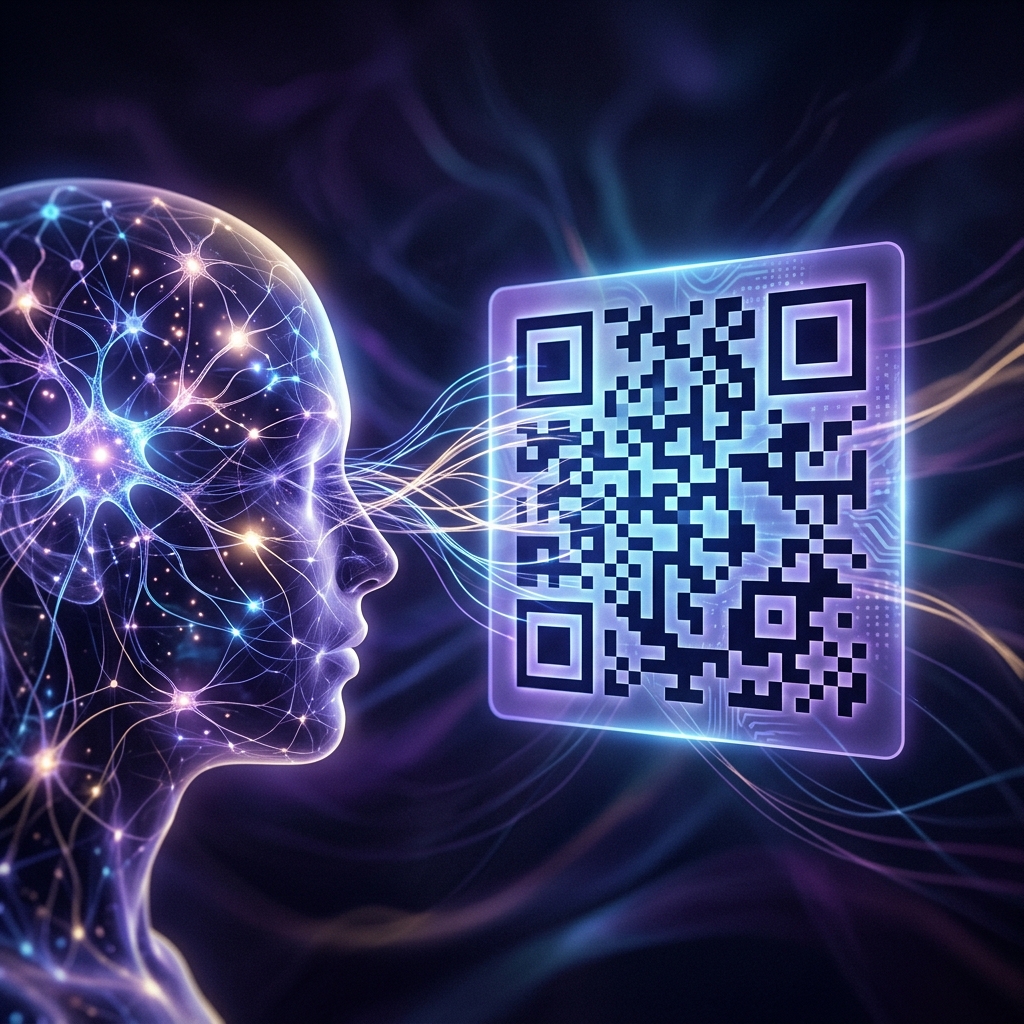
Why do some QR codes get thousands of scans while others are ignored? In 2026, the answer lies in the intersection of behavioral psychology and visual design. As QR codes become ubiquitous, the human brain has developed a "filter" for generic, low-effort modules. To break through this noise, marketers must understand the subconscious triggers that compel a user to reach for their phone.
The Information Gap Theory
At the heart of the scan is a psychological principle known as the Information Gap Theory. Developed by George Loewenstein, this theory suggests that when we realize there is a gap between what we know and what we want to know, we feel a mental itch—and we are compelled to "scratch" it.
A well-designed QR code creates this itch. By providing a clear, tantalizing hint of the value behind the code (e.g., "Scan for your secret discount" or "See the 3D tour now"), you create a curiosity gap that the human brain find almost impossible to ignore. In 2026, the most successful brands are those that treat the QR code not as a technical tool, but as a Curiosity Catalyst.
The "Trust Fall": Visual Cues and Security
Scanning a QR code is a digital "trust fall." The user is giving a physical object access to their most personal device. In an era of heightened awareness around Quishing (QR phishing), design is the primary vehicle for building trust.
A generic, black-and-white QR code can look "scammy" or untrustworthy. Conversely, an Artistic QR Code that incorporates brand colors, a recognizable logo, and high-quality styling communicates professionalism and legitimacy. Our data at linksqrcode.com shows that branded QR codes receive 42% higher scan rates than generic ones, simply because they look "official."
Design Principle: The "Beauty Premium"
"Human beings are hardwired to associate beauty with quality and safety. This is known as the 'Aesthetic-Usability Effect.' A QR code that is visually pleasing—using rounded corners, soft gradients, and harmonious colors—is subconsciously perceived as more valuable and safer to scan than a jagged, industrial-looking module."
Cognitive Ease and Friction Reduction
The brain is inherently lazy. It seeks the path of least resistance. In UX design, this is called Cognitive Ease. If a QR code is difficult to see, too small, or placed in a chaotic environment, the brain will skip over it to conserve energy.
To maximize engagement, your QR code must be "brain-friendly." This means:
- High Contrast: Ensure the code pops from its background. The eyes should be naturally drawn to it without effort.
- Isolation: Give the code a "Quiet Zone." Surrounding a code with too much text or competing visuals creates cognitive noise that repels the scan.
- Strategic Placement: Place codes at "Resting Eye Level." Forcing a user to stoop or reach creates physical friction that breaks the psychological momentum of the scan.
The Power of Color Psychology
Color isn't just an aesthetic choice; it's an emotional language. In 2026, top designers use specific palettes to trigger specific scan behaviors:
- Indigo & Deep Blue: Communicates stability, security, and trust. Ideal for healthcare, finance, and enterprise business cards.
- Orange & Vibrant Red: Triggers excitement, urgency, and hunger. Perfect for limited-time retail offers and restaurant menus.
- Emerald Green: Signals growth, health, and sustainability. The go-to choice for eco-friendly brands and educational resources.
The "Call to Scan" (CTS): Verbs Drive Value
Psychologically, humans respond better to direct commands paired with clear value. "Scan Me" is a weak instruction. "Scan to Unlock Your Gift" is a powerful Value-Driven Command.
By using active verbs—Unlock, Discover, Join, Save—you prime the user for action. In 2026, the most effective QR campaigns treat the text around the code as the "Hook" and the code itself as the "Reward."
The Verdict: Design is the Strategy
In a world saturated with digital inputs, the QR code is a unique opportunity to bridge the physical and digital divide. But that bridge only works if people want to cross it. By applying the principles of behavioral psychology to your QR designs, you aren't just making a prettier code—you are optimizing for human nature.
Ready to design a QR code that people actually want to scan? Use our Artistic QR Designer at linksqrcode.com to trigger the perfect psychological response.