The Evolution of QR Codes in 2026: Industry Trends & Scannability Best Practices
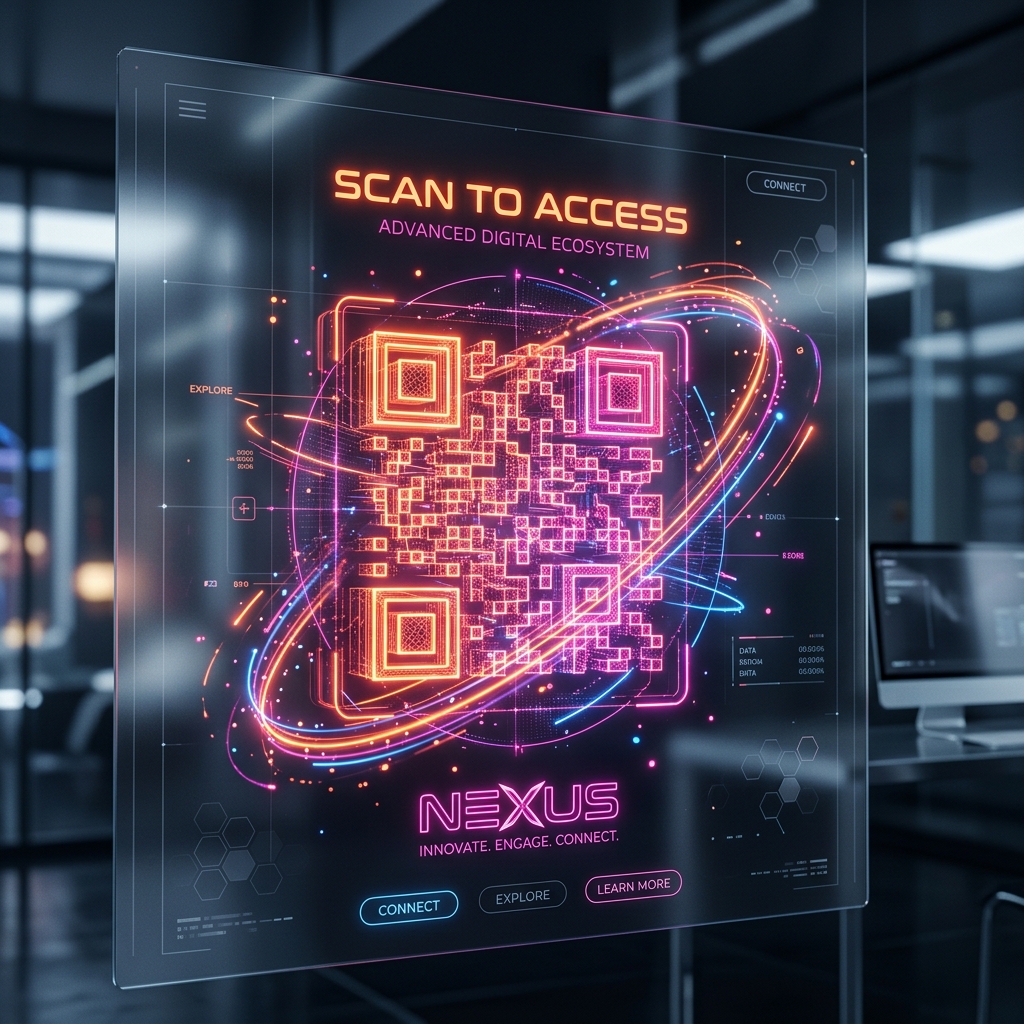
In the rapidly shifting landscape of 2026, the humble QR code has transcended its origins as a simple inventory tracking tool. It has become the connective tissue of the modern digital economy—a bridge between physical reality and immersive digital experiences.
The Great Transition: From 1D to GS1 Digital Link
The most significant trend we are witnessing in 2026 is "Sunrise 2027"—the global industry move towards replacing traditional 1D barcodes with 2D data carriers like QR codes. This shift, led by GS1, is revolutionizing retail. Unlike the old-school UPC barcode which only identifies a product type, the GS1 Digital Link QR code provides a single point of entry for everyone in the supply chain.
For the consumer, a scan reveals transparency: sourcing information, expiration dates, and even interactive recycling instructions. For the retailer, it means smarter inventory management and the ability to trigger dynamic pricing or recall alerts instantly. This convergence of data into a single, scannable square is the backbone of the "Circular Economy" we are building today.
Artistic Integration: The End of Boring Squares
Gone are the days when a QR code was a jarring, black-and-white eyesore on a beautiful marketing campaign. In 2026, Artistic QR Codes are the standard. By leveraging advanced error correction (Level H, which allows for up to 30% data loss) and halftone generative algorithms, brands are now embedding QR modules directly into photography and brand assets.
Our data at linksqrcode.com shows that "Artistic" or "Photo-Integrated" QR codes see a 42% higher Click-Through Rate (CTR) compared to standard black-and-white modules. Why? Because they don't look like technology; they look like art. When the code is a part of the brand's visual story, it invites curiosity rather than signaling a technical requirement.
Augmented Reality (AR) & The Spatial Web
With the mass adoption of spatial computing devices and advanced smartphone AR capabilities, QR codes have become the "anchors" for the digital world. Scanning a QR code on a movie poster now instantly projects a 3D trailer into your physical space. In retail, scanning a code on a piece of furniture allows you to see it rendered in high-fidelity within your own living room.
This trend toward Spatial QR Interaction requires designers to think beyond the scan. The landing page is no longer just a website; it's a scene. Ensuring your QR code tool can handle high-resolution vector output (SVG) is critical for these large-scale environmental anchors.
Pro Tip: The Golden Rule of Contrast
"While artistic codes are trending, never sacrifice the 'Golden Ratio' of contrast. A minimum contrast ratio of 4:1 between the foreground dots and the background is required for legacy scanners. Always test your artistic codes in low-light environments before mass printing."
Scannability Best Practices for 2026
Despite the technological leaps, the physics of scanning remain constant. To ensure your 2026 campaigns don't fall flat, adhere to these industry-standard best practices:
1. Respect the Quiet Zone
The "Quiet Zone" is the blank border surrounding the QR code. Many modern designs try to crop this too close to save space. However, camera AI uses this empty space to distinguish where the code begins and the surrounding noise ends. Always maintain a margin of at least 4 times the size of a single module (dot).
2. Avoid Color Inversion
While some advanced scanners can read "inverted" codes (white dots on a black background), many default camera apps still struggle. For maximum accessibility across the widest range of devices, always use a dark foreground on a light background. If you must go dark, ensure your "white" modules are actually a very light grey or cream to reduce glare.
3. Size Matters (Distance to Scan Ratio)
A common mistake is printing a QR code too small for its environment. The industry standard is a 10:1 ratio. If your user is standing 10 feet away (like at a bus stop), the QR code should be at least 1 foot wide. For business cards, never go below 0.8 inches (2cm) in diameter.
Security in the Age of "Quishing"
As QR codes have become ubiquitous, so have the threats. Quishing (QR Phishing) involves malicious actors overlaying their own QR codes on top of legitimate ones in public spaces. In 2026, building trust is as important as building the code.
Industry Best Practice: Always include a text-based short URL or a "Verified by [Brand]" watermark near your code. This gives users a way to verify the destination before they scan. Furthermore, using a 100% browser-based generator like linksqrcode.com ensures that your generation process is private and your data isn't being harvested by a middle-man server.
The Verdict: QR Codes are Here to Stay
The evolution of QR codes in 2026 is characterized by a shift from "functional" to "experiential." We are moving toward a world where every physical object has a digital twin, and the QR code is the portal to that twin. By focusing on artistic integration, respecting scannability physics, and prioritizing user security, you can leverage this "Old" technology to drive "New" world results.
Ready to build your next-generation QR experience? Start with our Free Artistic QR Generator today.